Why Should You Care?
Hamilton is surrounded by several distinct communities that offer unique living experiences. Understanding these nearby areas helps when considering relocation, commuting, or exploring local amenities. Each area has its own character and practical considerations that impact daily life.
Ancaster
Ancaster is known for its historic charm and well-established neighbourhoods. It features older homes alongside newer developments, which can lead to varying maintenance needs and property values. The area’s topography includes some hilly terrain, which affects road design and drainage systems. This can be a factor for homeowners concerned about property runoff or winter road conditions.
Residents benefit from good schools and shopping centres, but traffic congestion on main routes during peak hours can be a drawback. Ancaster’s mix of rural and suburban zones requires careful planning for infrastructure expansion and public services.
Stoney Creek
Stoney Creek offers a blend of residential and industrial zones. This mix requires balancing noise and traffic concerns with economic opportunities. The area is known for its waterfront access along Lake Ontario, which adds recreational value but also demands attention to shoreline erosion and flood risk management.
Developers and planners must consider these environmental factors when approving new construction. Stoney Creek also has a growing commercial sector, which influences local traffic patterns and public transit needs.
Waterdown
Waterdown has seen rapid growth as a suburban community with a small-town feel. This expansion brings challenges such as increased demand for schools, parks, and road improvements. The area’s location near major highways makes it attractive for commuters, but can lead to congestion during rush hours.
Waterdown’s historic downtown area requires preservation efforts to maintain its character amid development pressures. Balancing growth with community identity is a key concern for local planners and residents.
Dundas
Dundas is known for its vibrant arts scene and heritage buildings. The community faces challenges related to maintaining older infrastructure while accommodating modern needs. Narrow streets and historic zoning can limit large-scale development, requiring creative solutions for housing and business growth.
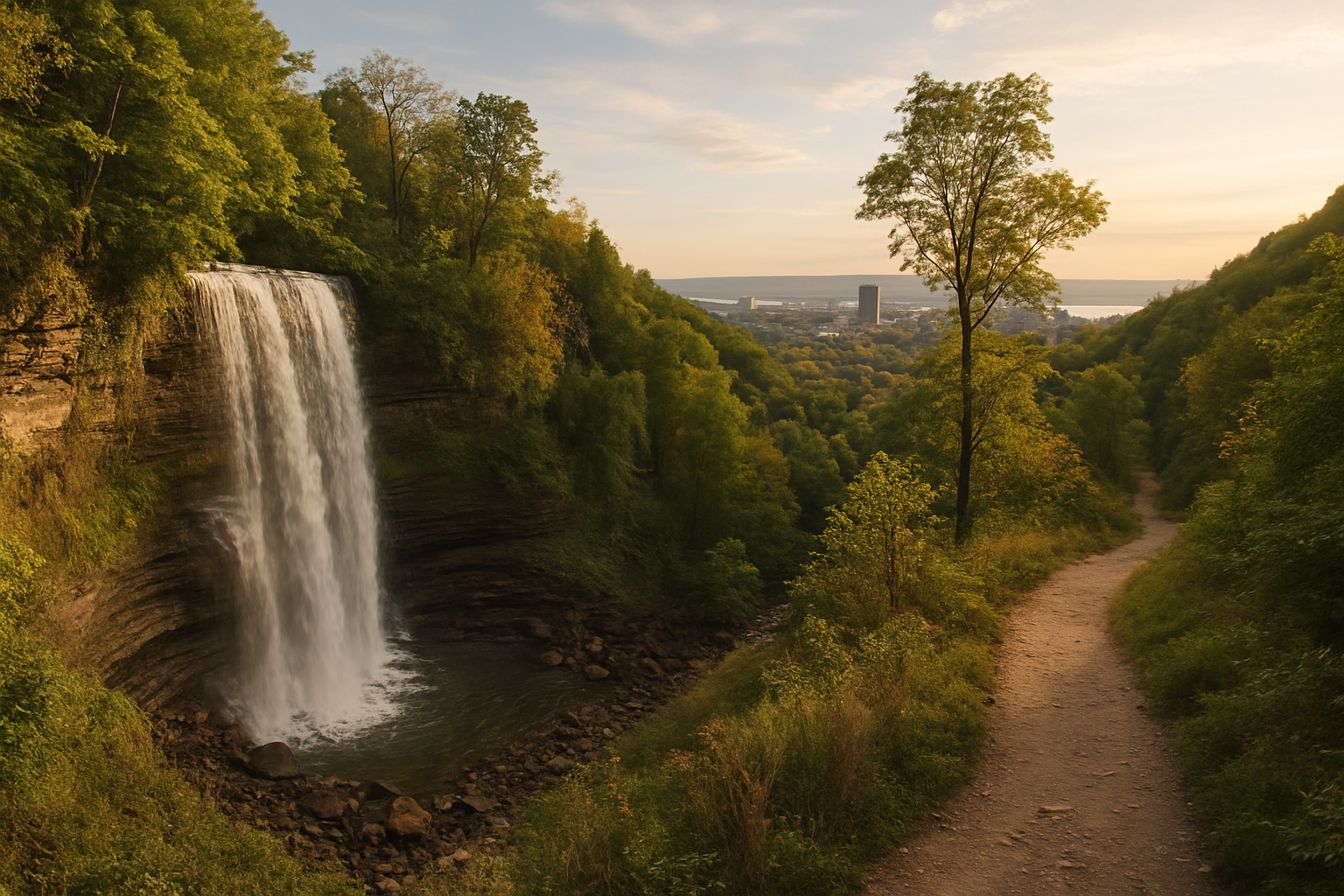
The area’s natural features, including the Niagara Escarpment, impose restrictions on construction and land use. These constraints help preserve green spaces but can complicate expansion plans.
Flamborough
Flamborough is predominantly rural with agricultural land and conservation areas. This setting limits urban sprawl but raises questions about balancing farming interests with residential development. Infrastructure like roads and utilities may be less developed compared to urban centers, affecting service delivery and emergency response times.
Developers and planners must navigate zoning laws carefully to protect farmland while accommodating population growth. The rural character also influences transportation options, often requiring reliance on personal vehicles.
Glanbrook
Glanbrook combines rural landscapes with emerging suburban neighbourhoods. The area is transitioning, which creates a mix of old and new infrastructure. This can lead to uneven service levels and the need for upgrades in water, sewage, and road systems.
Glanbrook’s location near major highways supports industrial and commercial growth, but also introduces traffic and environmental challenges. Coordinating land use between agriculture, industry, and housing is a key planning priority.
For detailed demographic and planning data, the City of Hamilton Planning Department provides comprehensive resources.
Exploring these nearby areas reveals the diversity of options around Hamilton. Each community has unique strengths and challenges that influence living conditions and development potential. For a broader perspective on regional growth and infrastructure, the Ontario Municipal Government site offers valuable insights.