Storage Unit Sizes and What Fits Inside
Choosing the right storage unit size is crucial to avoid paying for unused space or running out of room. Understanding common dimensions helps you plan effectively. It also prevents damage to your belongings by ensuring they fit comfortably without overcrowding.
Dimensions of common storage unit sizes
Storage units come in standard sizes, typically measured in feet. The most common sizes are 5×5, 10×10, and 10×20 feet. Each size offers different square footage and volume, affecting how much you can store.
For example, a 5×5 unit provides 25 square feet of floor space, while a 10×10 unit offers 100 square feet. The 10×20 unit doubles that to 200 square feet. Ceiling height can vary but usually ranges from 8 to 10 feet, influencing total cubic footage.
One challenge is that some units may have irregular shapes or limited access, which reduces usable space. Also, stacking items too high can risk damage or instability.
What fits in a 5×5 storage unit
A 5×5 unit is roughly the size of a small walk-in closet. It fits the contents of a single room, such as a few boxes, small furniture pieces, or seasonal items. This size is ideal for storing items like a mattress, chair, or small dresser.
Keep in mind that this size is tight for large furniture or multiple bulky items. Overpacking can make it hard to access belongings and increase the risk of damage.
What fits in a 10×10 storage unit
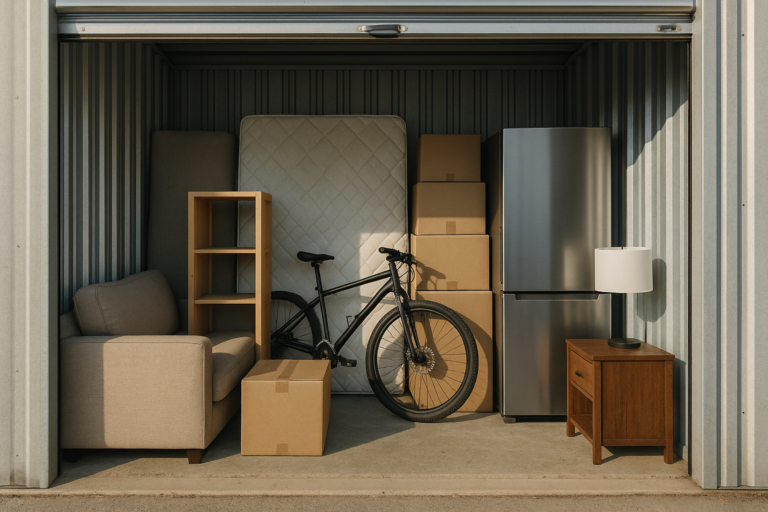
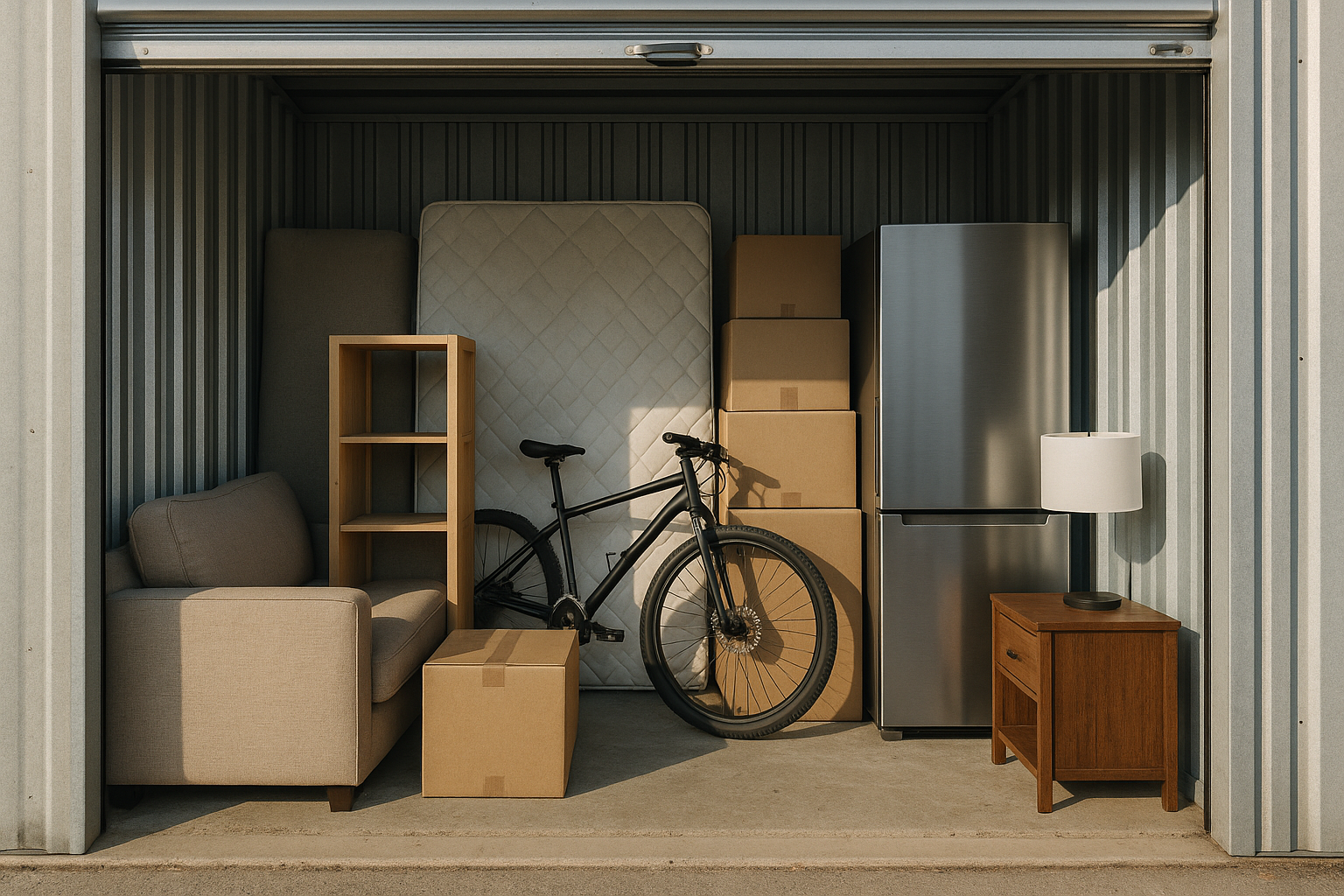
A 10×10 unit provides space similar to a small bedroom. It can hold the contents of a one-bedroom apartment, including appliances, furniture, and boxes. Items like a sofa, dining table, and several boxes fit comfortably here.
The main limitation is that large appliances or bulky furniture may require careful arrangement. Poor stacking or inefficient use of vertical space can reduce capacity significantly.
For a detailed breakdown of sizes and what fits, a storage unit size guide offers practical insights to help you plan your storage needs accurately.
What fits in a 10×20 storage unit
A 10×20 unit is about the size of a two-car garage. It can store the contents of a multi-room house, including large furniture, appliances, and numerous boxes. This size is suitable for long-term storage or moving.
One tradeoff is that larger units may tempt you to fill them beyond capacity, making retrieval difficult. Proper organization and labeling become critical to avoid losing track of items.
Comparing small, medium, and large storage units
Small units like 5×5 are cost-effective but limited in capacity. Medium units such as 10×10 balance space and price, fitting most one-bedroom apartment contents. Large units like 10×20 offer maximum space but come at a higher cost and require more effort to organize.
Choosing the wrong size can lead to wasted money or damaged belongings. It is important to assess your inventory carefully and consider how often you need access.
How to choose the right size based on your belongings
Comparing options side-by-side helps. The storage unit sizes comparison provides useful side-by-side details to weigh your choices effectively.
Start by listing what you plan to store and estimating the volume. Consider furniture dimensions, box sizes, and any special items like bicycles or appliances. Remember that stacking and shelving can maximize space but require careful planning.
Also, think about how often you will need access. A larger unit might be better if you need frequent retrieval, while a smaller unit suits long-term storage with minimal access.
Choosing the right storage unit size requires balancing your space needs, budget, and access frequency. Careful planning prevents common pitfalls like overcrowding or overspending.